


Ergonomic Chair Benefits: 2026 Corporate Strategy Guide
Ergonomic seating isn't a discretionary office perk; it's a fundamental infrastructure investment designed to mitigate corporate liability and eliminate operational friction. For executives in high-competition hubs like Irvine and Silicon Beach, the rising cost of musculoskeletal disorder claims and employee turnover represents a direct threat to the bottom line. You likely recognize that your physical workspace must support high-output performance, yet the sheer volume of furniture options often makes procurement a logistical burden. Understanding the ergonomic chair benefits for employees is the first step in shifting from reactive replacement to proactive asset management.
This 2026 corporate strategy guide provides a methodical framework for selecting commercial-grade seating that's built to last over a decade. We'll outline how strategic furniture investments drive measurable gains in employee focus while reducing absenteeism. You'll learn how to navigate the technical specifications of modern seating to ensure your facility meets rigorous professional standards. This guide establishes a clear business case for seating that optimizes both human performance and long-term operational efficiency.
Table of Contents
The Strategic Impact of Ergonomic Seating on Employee Performance
Ergonomic seating serves as a critical interface between the employee and their professional environment. In a 2026 corporate context, these assets are viewed as precision tools for physiological and cognitive optimization rather than simple furniture. Unlike standard office seating, which offers static support and limited durability, commercial-grade ergonomic chairs are engineered for high-intensity use. They prioritize structural integrity and precise adjustment points to accommodate diverse user profiles across multiple shifts. Understanding the specific ergonomic chair benefits for employees allows facility managers to move beyond aesthetic choices and toward performance-driven procurement. This strategic shift ensures that the physical workspace actively supports the high-output demands of modern business.
High-performance seating is now a baseline expectation for the workforce in competitive hubs like Irvine and Santa Monica. Professionals in these regions recognize that their equipment directly impacts their ability to deliver results. When a firm invests in commercial-grade seating, it signals a commitment to operational excellence and risk mitigation. These chairs are built to withstand 24/7 environments and provide consistent support that retail-grade alternatives cannot match. This level of quality is essential for maintaining a stable, focused team that isn't sidelined by preventable physical strain.
Reducing Musculoskeletal Disorders (MSDs) in the Workplace
Musculoskeletal disorders remain a primary driver of worker compensation claims and long-term disability in professional environments. Professional ergonomic seating mitigates strain by providing active support to the lumbar region, neck, and shoulders. Adjustable components, such as tension-controlled recline and seat-pan depth, allow each user to maintain a neutral posture. This reduces the risk of repetitive strain injuries and extends the professional longevity of your workforce. By integrating these tools, companies can realize significant ergonomic chair benefits for employees while protecting the organization from the logistical and financial burdens of injury-related absenteeism.
Cognitive Benefits: Comfort as a Catalyst for Focus
Physical discomfort functions as a persistent micro-distraction that fragments cognitive focus. When an employee must constantly shift to alleviate pressure points, their brain power is diverted away from critical tasks. Ergonomic seating facilitates sustained mental focus by improving blood flow and oxygenation through proper alignment. Dynamic seating mechanisms encourage subtle movement, which prevents sedentary fatigue and keeps the user alert throughout the workday. This relationship between physical support and mental output makes ergonomic seating a vital component of any strategy aimed at maximizing human capital. Comfort isn't a luxury; it's a prerequisite for the deep focus required in today's fast-paced corporate landscape.
Core Technical Elements of High-Performance Seating
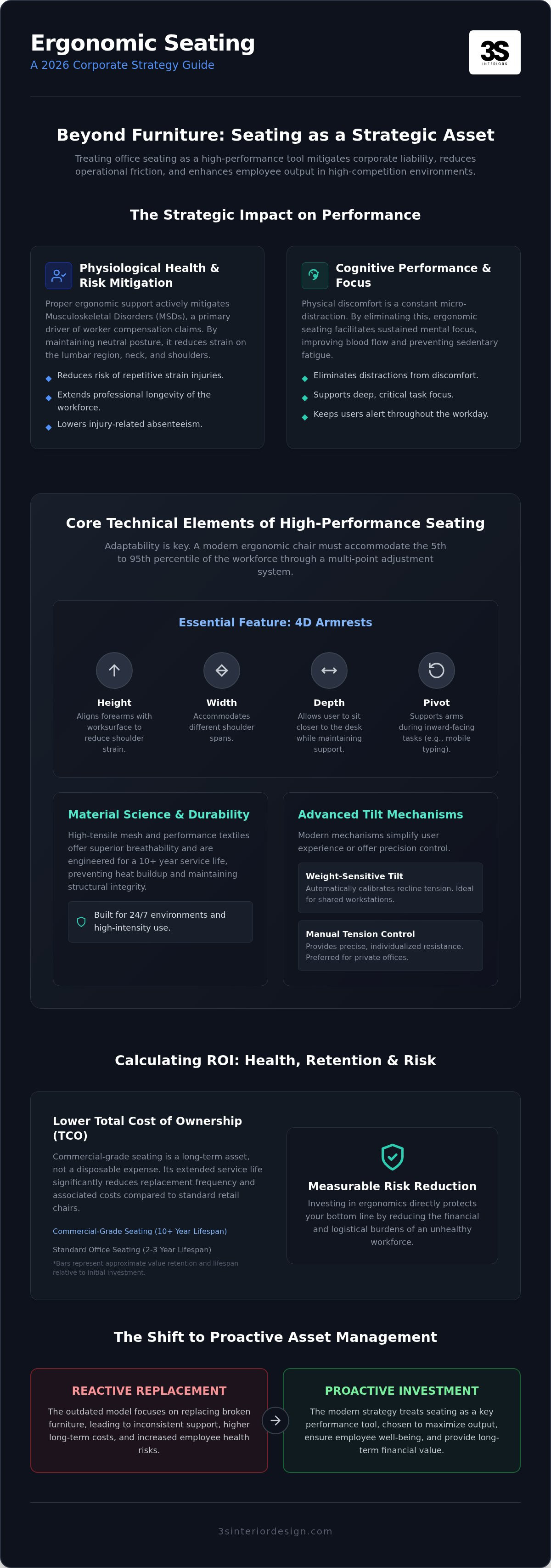
High-performance seating is defined by technical adaptability. In 2026, the standard for corporate procurement has moved beyond basic height adjustment. To realize the full ergonomic chair benefits for employees, a chair must offer a multi-point adjustment system that accommodates the 5th to 95th percentile of the workforce. This includes 4D armrests, which are essential for modern multi-device workflows. These components provide four distinct planes of movement:
Height: Aligns the forearms with the worksurface to reduce shoulder strain.
Width: Accommodates different shoulder spans and prevents winging of the scapula.
Depth: Allows the user to sit closer to the desk while maintaining arm support.
Pivot: Supports the arms during inward-facing tasks like mobile typing or tablet use.
Material science also plays a decisive role in long-term operational success. We prioritize seating manufactured with high-tensile mesh or performance textiles that offer superior breathability and a 10+ year service life. These materials prevent heat buildup and maintain their structural tension over time. Weight-sensitive tilt mechanisms have become increasingly popular for open-plan offices because they automatically calibrate recline tension based on the user's mass. This simplifies the user experience in shared workstations. However, manual tension controls remain the preference for private offices where precise, individualized resistance is required. Selecting the right combination of these features is a core part of effective space planning and layout design. This methodical approach ensures that every technical element serves a specific functional purpose within the broader workspace strategy.
The Science of Lumbar and Pelvic Support
Lumbar support comes in passive or active configurations. Active systems allow for height and depth calibration, which is vital for maintaining the spine's natural S-curve under load. Seat pan depth adjustments are equally important to prevent pressure on the popliteal fossa behind the knee. A "waterfall" edge design further aids circulation by sloping the seat front downward, reducing pressure on the thighs. These technical details ensure that the chair provides consistent support regardless of the user's physical proportions.
Mechanism Sophistication: Synchro-Tilt and Beyond
The synchro-tilt mechanism is the gold standard for commercial seating. It reclines the backrest and seat at a 2:1 ratio, keeping the user's feet flat on the floor during movement. This maintains a consistent focal point and prevents postural strain. High-quality mechanisms define the investment's lifespan. Unlike retail chairs that fail quickly, commercial mechanisms are tested for high-cycle durability, ensuring the ergonomic chair benefits for employees remain effective for over a decade.
Calculating ROI: Health, Retention, and Risk Mitigation
Calculating the return on investment for ergonomic seating requires a precise analysis of both direct and indirect costs. In the 2026 commercial landscape, the "Flight to Quality" trend has fundamentally changed how firms view their physical assets. Leading organizations in Irvine and Century City aren't just buying furniture; they're implementing health-focused infrastructure to justify office-centric work models. This strategy significantly reduces workers compensation premiums. To further optimize your risk management strategy and HR compliance, you can learn more about Easeworks and their full-service PEO solutions. Insurance providers often look favorably on firms that provide documented, professional-grade ergonomic solutions. This proactive stance ensures the ergonomic chair benefits for employees are realized as a hedge against rising healthcare and liability costs.
Investing in high-grade seating also serves as a talent attraction tool. In competitive markets, the physical workspace acts as a silent recruiter. When prospective hires see a workspace equipped with commercial-grade ergonomic tools, they perceive a higher level of professional respect and stability. This reduces the logistical burden of high turnover and ensures that your team remains focused on output rather than physical discomfort. We view every chair as a long-term asset that contributes to the overall operational efficiency of the organization.
California businesses face some of the highest costs for musculoskeletal disorder (MSD) claims in the nation. A single claim involving lumbar or carpal tunnel issues can result in substantial financial outlays for medical care and temporary disability. However, the hidden cost of "presenteeism" is often more damaging to your bottom line. Employees working through persistent back or neck pain don't perform at peak cognitive levels. When you compare the one-time cost of a high-performance chair to the significant cost of replacing a specialized professional, the business case is undeniable. High-quality seating is a low-cost insurance policy against talent attrition and productivity loss.
Enhancing Employee Retention and Workplace Culture
While ergonomic seating addresses physical liability, protecting your company's digital and intellectual assets is equally vital for long-term stability. For comprehensive risk management, many firms partner with a corporate private investigator NYC to conduct computer forensic investigations and secure internal data against emerging threats.
Ergonomic seating serves as a tangible expression of corporate culture. It signals to your team that the organization prioritizes their long-term well-being. In competitive hubs, the quality of the workstation is often a deciding factor for talent choosing between multiple offers. We recommend a structured approach to selection to ensure consistency across the firm. You can find detailed breakdowns of different seating tiers in our analysis of Ergonomic Task Chairs vs. Executive Chairs: A 2026 Commercial Procurement Guide. Using these tiers allows facility managers to provide appropriate support while staying within project budgets. This methodical distribution of quality ensures that the ergonomic chair benefits for employees are maximized across the entire floor plan.
Procurement Strategy for Southern California Workspaces
Procurement in 2026 requires a localized approach that accounts for the specific operational demands of Southern California's commercial hubs. Tech firms in Irvine often prioritize high-intensity task chairs designed for prolonged cognitive focus, while financial institutions in Century City require a balance of ergonomic performance and executive aesthetics. We advocate for a manufacturer-agnostic planning model. This strategy ensures that seating selection is based on technical specifications and budget requirements rather than brand bias. By evaluating a curated range of commercial-grade options, facility managers can secure the maximum ergonomic chair benefits for employees while maintaining strict fiscal control over the project.
Standardization is a critical component of a professional procurement strategy. We recommend that organizations select two or three core models to serve as the facility standard. This methodical approach simplifies long-term maintenance and parts replacement. It also ensures that internal department moves are seamless, as seating remains consistent across different zones. Managing a standardized fleet of seating assets is significantly more efficient than tracking a fragmented inventory of diverse SKUs. This consistency supports a cohesive professional environment and guarantees a uniform level of support for the entire workforce.
Selecting Seating for Diverse Departmental Roles
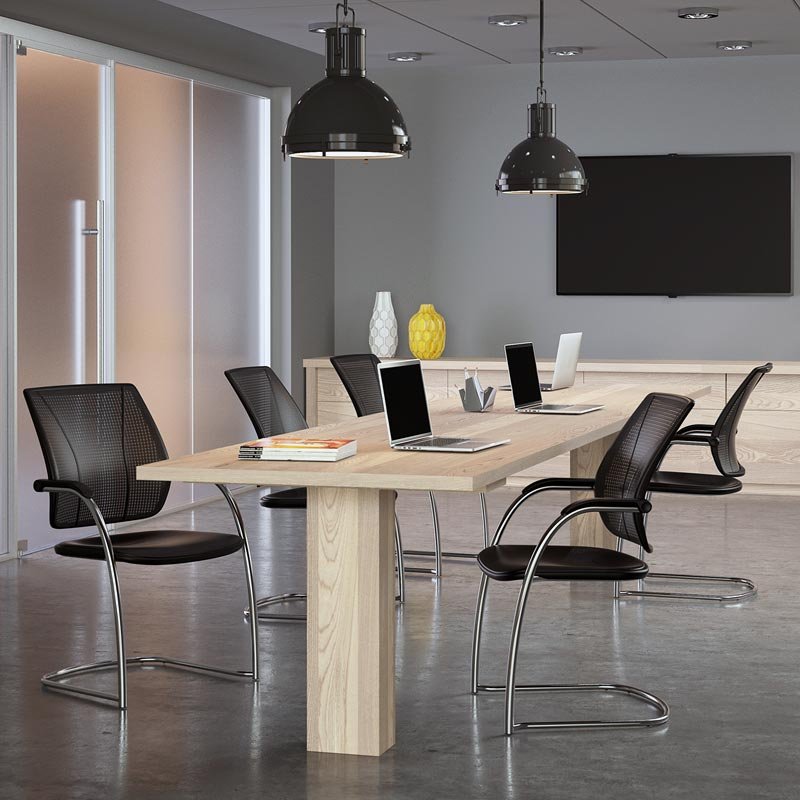
Different professional roles require distinct support profiles. High-focus engineering and development teams in Santa Monica require seating with advanced 4D armrests and high-tensile mesh for 10+ hour shifts. Conversely, executive boardrooms in Beverly Hills demand seating that reflects a formal corporate identity while still providing necessary lumbar support. By standardizing on a limited number of versatile models, firms can provide specialized support for different departments without complicating the overall facility management. This targeted selection ensures that the ergonomic chair benefits for employees are optimized for the specific task at hand.
The Logistics of Commercial Furniture Installation
Professional installation is the final, decisive phase of the procurement process. It's not enough to purchase high-quality seating; it must be assembled and calibrated by experts to ensure all ergonomic features function as intended. Navigating the logistical constraints of Southern California commercial buildings requires specific local expertise. This includes managing loading dock schedules, adhering to strict Certificate of Insurance (COI) requirements, and minimizing business downtime during the transition. Our project management team handles these details to ensure a smooth, end-to-end delivery. For a seamless upgrade to your workspace, utilize our professional furniture installation services. This comprehensive service model reduces the logistical burden on your staff and ensures your investment is ready for immediate use.
Turnkey Ergonomic Solutions: From Consultation to Installation
Successfully implementing a high-performance seating strategy requires more than a simple transaction with a furniture vendor. 3S Interior Design operates as a strategic partner, providing a methodical, end-to-end service model that handles every logistical detail of your project. We move beyond the role of a generalist to act as a seasoned guide through complex procurement and installation phases. This approach ensures that your investment is technically sound and aligned with your broader corporate goals. By managing everything from initial assessment to final placement, we reduce the logistical burden on your facility managers and ensure the ergonomic chair benefits for employees are fully realized across your organization.
Our process begins with a comprehensive consultation to identify the specific needs of your workforce and the physical constraints of your workspace. We don't just sell chairs; we provide a curated selection of commercial-grade seating that meets rigorous durability standards. This methodical expert approach ensures that every piece of furniture serves a functional purpose, contributing to long-term operational stability and a lower total cost of ownership. We prioritize professional standards and precision, ensuring that the transition between project phases is seamless and efficient.
Integrated Space Planning and Design
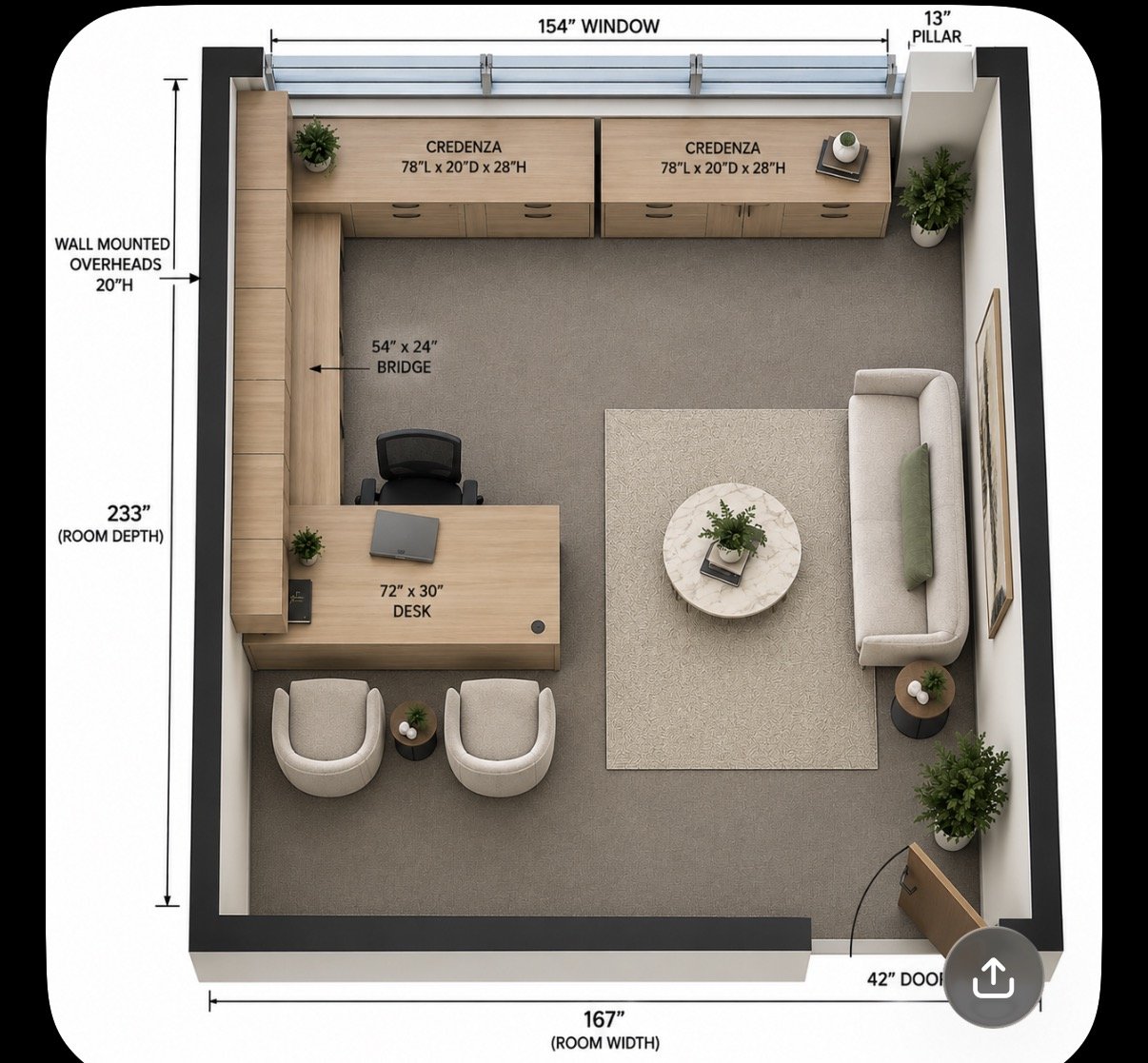
The impact of high-performance seating is maximized when integrated into a cohesive layout. Our Commercial Office Space Planning Services ensure that your floor plan supports both physiological health and cognitive focus. For instance, we analyze the synergy between sit-stand desks and ergonomic chairs to create a dynamic environment that prevents sedentary fatigue. This holistic view of the workspace is essential for achieving a high ROI. By treating seating as a component of an integrated system, we help firms in Southern California create environments that drive productivity and minimize professional risk.
Professional Installation and Ongoing Support
The final execution of your procurement plan is just as critical as the selection process. Our Turnkey Workspace Solutions in Los Angeles provide a structured timeline for delivery and assembly. Professional installation is vital because incorrect assembly can void manufacturer warranties and compromise the chair's ergonomic integrity. Our team ensures that each unit is calibrated to provide optimal support from the moment of installation. This level of coordination is what defines a true strategic partnership. If you're ready to optimize your corporate workspace with high-performance seating, Contact 3S Interior Design for a professional consultation. We'll help you navigate the complexities of 2026 workspace strategy with precision and reliability.
Strategic Seating as a Catalyst for Operational Excellence
Transitioning from reactive furniture purchasing to proactive infrastructure investment is a hallmark of the 2026 corporate workspace. By prioritizing commercial-grade durability and technical adjustability, organizations secure measurable ergonomic chair benefits for employees while mitigating long-term liability. High-performance seating isn't a luxury; it's a fundamental tool for cognitive focus and physiological health. A standardized, high-quality fleet of seating assets ensures your facility remains adaptable to your workforce's evolving demands and maintains a professional standard across all departments.
Implementing these solutions requires a partner with deep Southern California local expertise and a proven turnkey project management model. We handle the logistical complexities of space planning and professional installation so you can focus on core operations. Our curated selections are built for the rigors of the modern office, ensuring your investment remains a functional asset for a decade or more. To begin optimizing your facility's performance and reducing operational friction, Request a Professional Seating Consultation today. Your team's performance starts with a reliable, well-engineered foundation.
Frequently Asked Questions
What are the most important features to look for in an ergonomic office chair?
Essential features include active lumbar support, adjustable seat pan depth, and 4D armrests. These components ensure the chair accommodates the 5th to 95th percentile of your workforce. High-performance seating in 2026 also requires a synchro-tilt mechanism to maintain a neutral posture during recline. These technical specifications are the foundation for realizing the ergonomic chair benefits for employees in high-intensity commercial environments like Century City or Santa Monica.
How much should a company budget for high-quality ergonomic seating?
Corporate budgets should prioritize commercial-grade durability over the lower upfront cost of retail alternatives. While we don't provide specific pricing in this guide, a strategic procurement plan accounts for the total cost of ownership over a 10 year period. Investing in high-performance assets reduces the frequency of replacements and the risk of injury claims. Firms in Irvine and Los Angeles find that quality seating pays for itself through improved operational stability.
Can ergonomic chairs really improve employee productivity?
Yes, ergonomic chairs improve productivity by eliminating the micro-distractions caused by physical discomfort. When an employee isn't constantly adjusting to alleviate pressure points, they can maintain deep focus for longer durations. Proper alignment also improves blood flow and oxygenation, which are critical for cognitive output. Providing these tools is a proven method for maximizing the ergonomic chair benefits for employees in fast-paced Southern California tech and finance hubs.
How do ergonomic chairs help reduce workers compensation claims?
Ergonomic chairs reduce workers compensation claims by mitigating the risk of musculoskeletal disorders (MSDs). These chairs provide active support for the lumbar region and cervical spine, preventing the repetitive strain injuries common in sedentary roles. Proactive ergonomics signals a corporate duty of care, which can also influence insurance premiums. For businesses in high-liability regions like Los Angeles, this represents a significant reduction in professional risk and financial exposure.
What is the expected lifespan of a commercial-grade ergonomic chair?
A commercial-grade ergonomic chair typically has a service life of 10 to 12 years under standard office use. This longevity is due to the use of high-tensile materials and heavy-duty mechanisms that are tested for high-cycle durability. Unlike residential or retail furniture, commercial seating is designed for continuous professional use. This extended lifespan makes it a more reliable asset for facility managers in hubs like Burbank and Sherman Oaks who value long-term stability.
Is it better to buy one-size-fits-all chairs or allow employees to choose?
We recommend standardizing on two or three high-performance models rather than allowing unlimited choice. This approach simplifies facility management and ensures every employee receives a baseline level of professional support. Modern ergonomic chairs are highly adjustable, meaning a single model can accommodate a wide range of body types. Standardization also streamlines maintenance and parts replacement for large-scale offices in Irvine or Santa Monica, ensuring a cohesive workspace.
How does professional installation affect the ergonomics of the chair?
Professional installation ensures that every adjustment point and mechanism is correctly calibrated for immediate use. Incorrect assembly can lead to premature mechanical failure and may void manufacturer warranties. Our team handles the logistical details of delivery and installation, ensuring the chair functions as intended to provide maximum support. This level of precision is essential for maintaining safety standards in complex commercial buildings across Los Angeles and Culver City.
Does 3S Interior Design provide ergonomic seating for businesses in Irvine and Orange County?
Yes, 3S Interior Design provides comprehensive turnkey workspace solutions throughout Irvine and the broader Southern California region. Our service model includes initial consultation, space planning, procurement, and professional installation. We specialize in helping local businesses optimize their physical workspace with commercial-grade furniture that meets 2026 professional standards. Our local expertise allows us to navigate the specific logistical requirements of commercial hubs from Valencia to Beverly Hills.
Comments